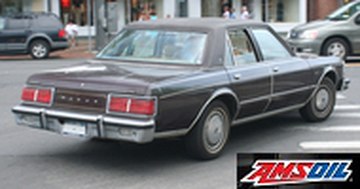
Engine Lubrication and Maintenance for the 1981 Dodge ST REGIS 3.7L
Maintaining a vehicle from the early 1980s requires a shift in perspective compared to modern automotive care. For owners of a 1981 Dodge ST REGIS equipped with the 3.7L engine, routine service is not just about following a schedule; it is about monitoring the physical condition of aging components and ensuring that the lubrication system remains effective. Because mechanical systems change over decades of operation, proactive observation is often more valuable than strictly adhering to generalized maintenance intervals.
Monitoring Fluid Integrity and Potential Seepage
One of the most practical ways to assess the health of a 3.7L engine is through regular visual inspections for fluid integrity. Over time, various seals and gaskets may undergo changes in elasticity due to heat cycles and age. Rather than assuming a specific component has failed, an owner should look for evidence of seepage or active leaks around the engine block and associated sealing surfaces.
When performing routine checks, pay close attention to the following:
- Surface Seepage: Look for oily residue or "wet" areas on the exterior of the engine that may indicate a slow seep from a gasket.
- Puddle Identification: Regularly check the ground beneath where the vehicle is parked to identify any consistent dripping.
- Fluid Appearance: If you are checking the oil level, observe the color and texture of the lubricant. While some discoloration is normal, significant changes in consistency or an unusual smell can warrant further investigation.
It is important to remember that a small amount of seepage does not always indicate a critical failure, but it does serve as a baseline for future monitoring. Identifying these signs early allows for more controlled maintenance decisions rather than reacting to sudden, significant leaks.
Managing Engine Lubrication Requirements
The engine oil in the 1981 Dodge ST REGIS performs several vital roles, including reducing friction between moving parts and assisting in heat management within the engine. As engines age, the characteristics of the lubricant used can influence how smoothly the vehicle operates. While modern synthetic oils offer high levels of thermal stability and oxidation resistance, selecting the correct product for a 1981 application requires careful attention to the specific requirements of that era's engineering.
When considering different oil formulations, owners may encounter several options:
- Conventional Oils: These are standard mineral-based lubricants.
- Synthetic and Synthetic Blends: These formulations often provide enhanced protection against sludge and deposit buildup due to their refined chemical structures.
- High-Mileage Formulations: Some high-mileage oil formulations contain additives intended for use in aging engines, including seal-conditioning additives that may help maintain the integrity of older gaskets.
Regardless of the formulation chosen, the most critical factor is ensuring the lubricant matches the specific application requirements for this 3.7L engine. Always refer to the technical data provided on this page to ensure the correct match.
Observing Potential Warning Signs
While many maintenance needs are identified through scheduled service, some issues present themselves through observable symptoms. If you notice changes in how the vehicle operates, it is important to investigate them promptly. However, symptoms can have multiple causes, and a single sign does not always point to one specific mechanical fault.
Be alert for the following indicators:
- Changes in Lubricant Consumption: If you find yourself needing to add oil more frequently than in the past, this warrants an inspection of the engine's sealing surfaces and air filtration components.
- Unusual Mechanical Noises: Any new or persistent sounds coming from the engine area during operation should be investigated by a professional.
- Exhaust Observations: Changes in the color or consistency of exhaust smoke can sometimes be associated with how the engine is managing its internal lubrication and combustion processes.
- Warning Indicators: If any dashboard indicators related to oil pressure or temperature illuminate, these require immediate attention to prevent potential damage.
Treating these signs as prompts for investigation rather than definitive diagnoses allows for a more methodical approach to vehicle repair.
Prioritizing Long-Term Maintenance and Records
For an owner of a 1981 Dodge ST REGIS, establishing a maintenance baseline is one of the most effective ways to manage long-term ownership. If you have recently acquired the vehicle or if service history is incomplete, your first priority should be to document the current state of all major systems.
Effective long-term care involves more than just changing oil; it requires a comprehensive view of the vehicle's condition. Reviewing any available repair receipts or service logs can provide insight into what has already been addressed and what may be approaching the end of its service life. When records are unavailable, use your current inspections to create a new baseline. This includes noting the condition of accessible belts (if equipped), hoses, and electrical connections.
As the vehicle continues to age, prioritize maintenance based on actual condition rather than just chronological age. An engine that has been consistently maintained with high-quality lubricants may have very different needs than one that shows signs of previous neglect. By focusing on active leaks, observed consumption changes, and documented service history, you can make informed decisions about where to allocate your maintenance budget.
Practical Steps for Inspecting Engine Components
A thorough inspection does not always require specialized tools. During routine oil changes or general engine bay checks, several components should be examined if they are accessible. For example, inspecting the condition of hoses and any present drive belts can prevent unexpected downtime. If equipped, look for signs of cracking, glazing, or fraying on belts, as these are indicators that the material is beginning to degrade.
Additionally, checking the air filtration system is a vital part of engine health. A clean air intake ensures that the engine is not ingesting unnecessary debris, which helps maintain the cleanliness of the internal lubrication system and prevents premature wear. Similarly, inspecting electrical connectors for corrosion or loose fitment can prevent intermittent issues that might otherwise be mistaken for mechanical failures.
Buying Engine Oil for your 1981 Dodge ST REGIS 3.7L
When you are ready to purchase new lubricant, the most important step is to match the product to the application-specific information provided on this webpage. Because different engines have unique requirements regarding chemical composition and viscosity, you should never rely on general automotive knowledge or assumptions based on the vehicle's age alone.
Before completing your purchase, follow these practical steps:
- Verify Viscosity: Match the engine oil to the application-specific viscosity information shown above. Do not use a grade that differs from the provided specifications.
- Check API Certification: Ensure the oil carries a current and appropriate API certification to guarantee it meets modern standards for quality and performance.
- Review Product Labels: Carefully read the container labels to confirm the oil type (conventional, synthetic blend, or full synthetic) aligns with your maintenance goals and the vehicle's needs.
- Consider Formulation Benefits: If you are managing an engine with higher mileage, you may choose to look for formulations that include seal-conditioning additives, but always ensure the primary viscosity and specification match the application data first.
By strictly adhering to the technical specifications listed in the application information, you ensure that your 1981 Dodge ST REGIS receives the correct lubrication for its specific engine configuration.